
Solid Wood vs Veneer Furniture: A Complete Buyer's Guide

Choosing the right furniture is one of the most important decisions you will make for your home. Whether you are furnishing a brand new living space or upgrading a single room, understanding the difference between solid wood and veneer furniture can save you money and years of regret. In this comprehensive guide, we will break down everything you need to know so you can make the smartest choice for your lifestyle, budget, and long-term satisfaction.
What Is Solid Wood Furniture?
Solid wood furniture is made entirely from natural timber that has been harvested, dried, and carefully shaped by skilled craftsmen. Each piece of solid wood carries its own unique grain pattern, color variation, and natural character. Popular wood species used in solid wood furniture include walnut, oak, maple, cherry, and teak.
One of the defining features of solid wood furniture is its structural integrity. Because the entire piece is made from real wood throughout, it can withstand years of daily use without losing its strength or beauty. When properly maintained, solid wood furniture can last for decades, often becoming a cherished heirloom passed down through generations.
Solid wood is also incredibly versatile when it comes to restoration. If your dining table develops scratches or dents over the years, you can sand down the surface and refinish it to look brand new. This is something that simply cannot be done with veneer or other engineered alternatives.
What Is Veneer Furniture?
Veneer furniture features a thin layer of real wood (typically 0.5mm to 3mm thick) that is glued onto a core made of particleboard, MDF (medium density fiberboard), or plywood. From the outside, veneer furniture can look remarkably similar to solid wood, which is why many shoppers confuse the two.
The primary advantage of veneer furniture is its lower price point. Because the core material is made from engineered wood products rather than solid timber, manufacturers can produce veneer pieces at a fraction of the cost. This makes veneer furniture an attractive option for budget-conscious buyers or those furnishing temporary living spaces.
However, veneer furniture comes with significant limitations. The thin wood layer on the surface is vulnerable to peeling, chipping, and moisture damage. Once the veneer layer is damaged, repairs are difficult and often impossible, so veneer furniture usually has a shorter working life than solid wood, depending on the quality of construction and how carefully it is used. (Laminate is a different material again: a printed layer rather than real wood. See our solid wood vs laminate guide.)
How to Tell the Difference Between Solid Wood and Veneer
Knowing how to distinguish solid wood from veneer is an essential skill for any furniture shopper. Here are some practical tips that will help you identify what you are looking at in a showroom or online store.
Check the edges and corners. Solid wood will show a continuous grain pattern that flows naturally around edges and corners. Veneer furniture often has visible seams where the thin wood sheet meets the edge banding, and the grain pattern may not align perfectly from the top surface to the side.
Feel the weight. Solid wood furniture is noticeably heavier than veneer pieces of the same size. A solid wood dining table will require real effort to move, while a veneer version of similar dimensions may feel surprisingly light.
Look at the bottom and back. Manufacturers often leave the underside of furniture unfinished. If you flip a chair over or look at the back of a dresser and see a material that looks different from the visible surfaces, you are likely looking at veneer applied over a core material.
Tap the surface. Solid wood produces a rich, resonant sound when tapped. Veneer over particleboard or MDF tends to produce a hollow, dull sound because of the less dense core material underneath.
Read the product description carefully. Reputable furniture retailers will clearly state whether a piece is made from solid wood or veneer. Be cautious of vague terms like "real wood" or "wood furniture" without specific clarification, as these terms can technically apply to veneer products as well.

Experience Timeless Elegance with Our Walnut Dining Chair
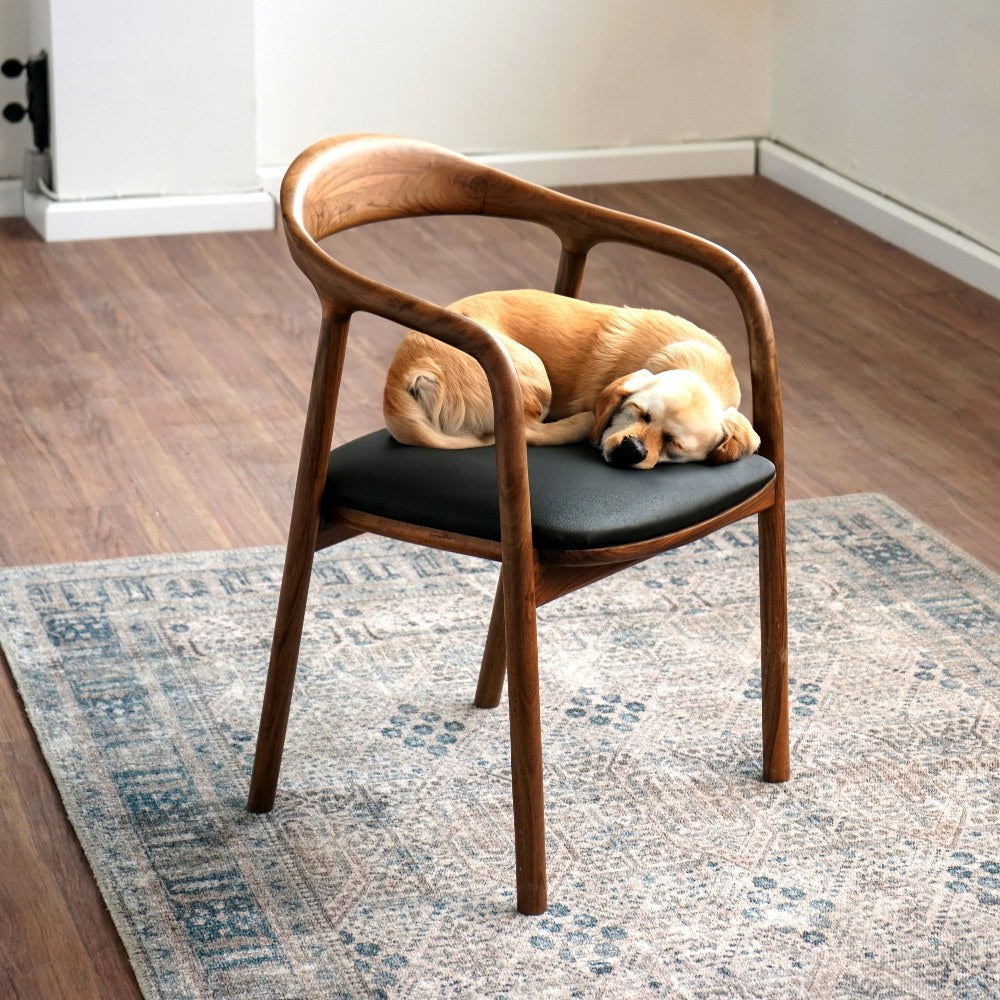
This stunning dining chair features a kiln-dried walnut frame paired with a luxurious black leather cushion. It's a perfect example of solid wood craftsmanship, offering both premium comfort and timeless design built for years of daily use.
Shop Walnut Dining ChairSolid Wood vs. Veneer: A Detailed Comparison
To make your decision easier, we have put together this side-by-side comparison covering all the factors that matter most when choosing between solid wood and veneer furniture.
| Feature | Solid Wood Furniture | Veneer Furniture |
|---|---|---|
| Material | 100% natural timber throughout | Thin wood sheet over particleboard, MDF, or plywood |
| Durability | Extremely durable, can last decades with care | Moderate durability, shorter working life |
| Weight | Heavy and substantial | Lighter due to engineered core materials |
| Repairability | Can be sanded, refinished, and restored multiple times | Very limited repair options once surface is damaged |
| Moisture Resistance | Good when properly sealed and maintained | Poor, susceptible to swelling, warping, and peeling |
| Price Range | Higher initial investment | More affordable up front |
| Long-Term Value | Holds value better over time | Depreciates quickly, minimal resale value |
| Customization | Easy to stain, paint, or modify | Limited customization without damaging surface |
| Eco-Friendliness | Sustainable when sourced responsibly | Uses adhesives and engineered materials that may off-gas |
| Aesthetic Quality | Unique, natural grain patterns with rich depth | Uniform appearance, can look artificial up close |
| Heat Resistance | Good natural heat resistance | Veneer can blister or delaminate from heat exposure |
| Ideal For | Long-term homes, heirloom pieces, high-use areas | Temporary spaces, tight budgets, low-use areas |
The True Cost of Ownership: Why Solid Wood Saves Money Over Time
Many buyers focus solely on the purchase price when comparing solid wood and veneer furniture, but this approach can be misleading. The true cost of ownership tells a very different story.
Think of it as cost per year of use rather than cost at checkout. A solid wood dining table that stays in service for decades, with a refinish when it needs one, spreads its price over a very long time. A cheaper veneer table that has to be replaced once or twice over the same period can end up costing as much, or more, in total.
This calculation does not even account for the environmental cost of manufacturing and disposing of multiple pieces of furniture, or the time and hassle involved in shopping for replacements every few years.
When you invest in solid wood furniture, you are not just buying a piece of furniture. You are buying decades of reliable service, timeless beauty, and the peace of mind that comes with knowing your furniture will still look stunning years from now.
When Does Veneer Make Sense?
While we clearly advocate for the superior quality of solid wood, there are some situations where veneer furniture can be a reasonable choice.
Temporary living situations. If you are a college student, in military service, or renting a short-term apartment, investing in expensive solid wood furniture may not be practical. Veneer can serve you well for a few years until you settle into a permanent home.
Decorative accent pieces. For items that see very little daily use, such as a decorative console table in a hallway or a display shelf in a guest room, veneer can provide an attractive look without the higher price tag.
Very tight budgets. If your budget simply does not allow for solid wood right now, quality veneer furniture is a better choice than the cheapest laminate options. Just be aware of its limitations and plan for eventual replacement.
That said, for your primary furniture pieces like dining tables, bed frames, dressers, and living room seating, solid wood is almost always the better long-term investment.

Oslo Solid Walnut Dining Table: Where Scandinavian Design Meets Lasting Craftsmanship
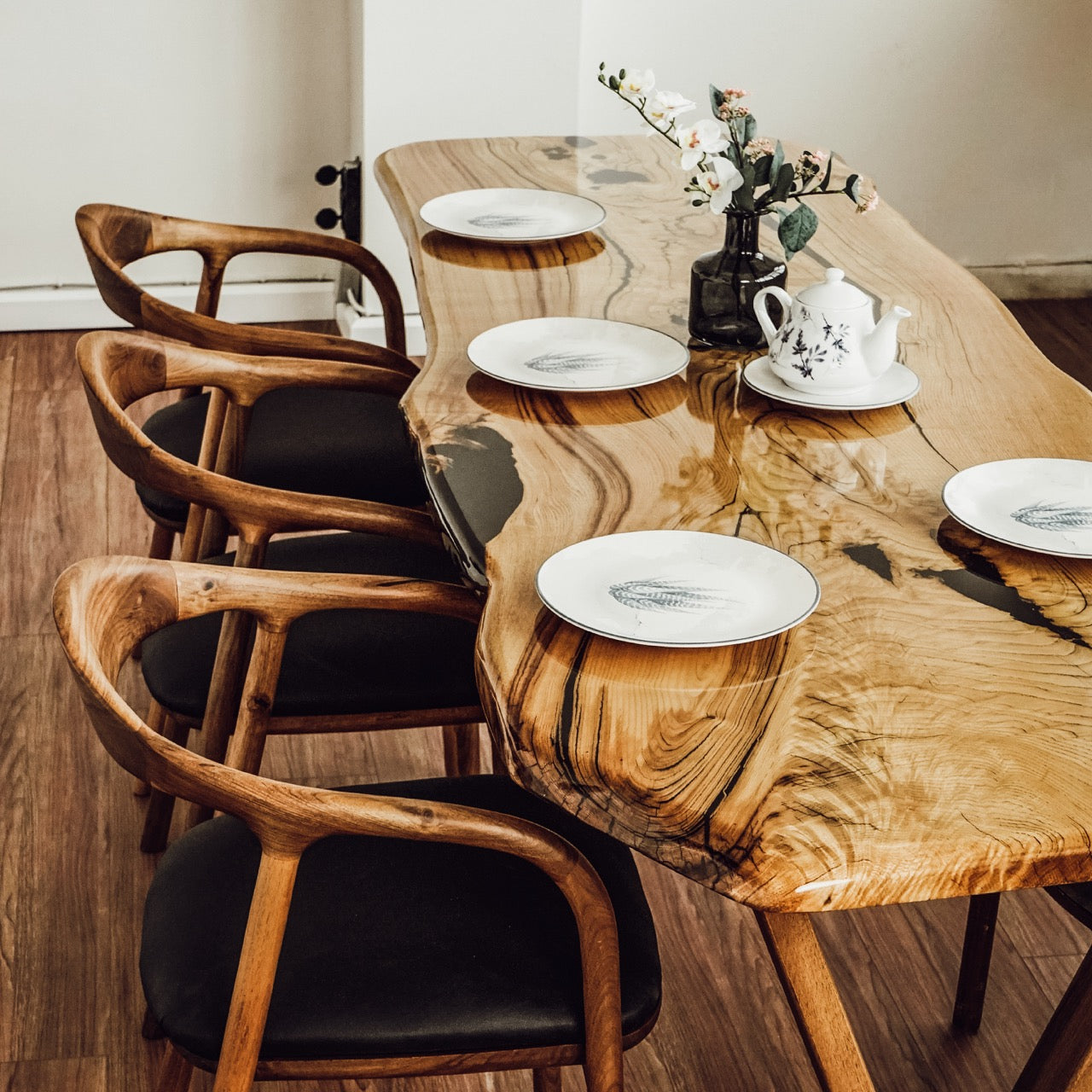
This elegant dining table is meticulously handcrafted from 100% solid walnut wood, embodying the clean lines and functionality of Modern Scandinavian style. The warm tones and rich grain of the natural wood instantly bring a sophisticated and cozy atmosphere to any dining room. Sturdy, tapered wooden legs enhance both durability and stability, making it a perfect centerpiece for everyday family meals and elegant gatherings alike.
Shop Oslo Dining TableHow to Care for Solid Wood Furniture
One of the greatest advantages of solid wood furniture is how easy it is to maintain when you follow a few simple practices. Here are our top care tips to keep your solid wood furniture looking beautiful for decades.
Dust regularly with a soft cloth. Use a microfiber cloth to remove dust and prevent buildup that can dull the finish over time. Always wipe in the direction of the wood grain for the best results.
Use coasters and placemats. While solid wood is durable, protecting surfaces from hot dishes, wet glasses, and sharp objects will help preserve the finish and prevent unnecessary wear. Skip silicone-based or harsh chemical cleaners as well.
Avoid direct sunlight. Prolonged exposure to direct sunlight can cause wood to fade or change color over time. Position your furniture away from windows or use curtains and blinds to filter harsh UV rays.
Control humidity levels. Wood naturally expands and contracts with changes in humidity. Keeping your home's humidity steady, without big seasonal swings, will help prevent cracking or warping. A simple humidifier or dehumidifier can make a big difference depending on your climate.
Refresh the finish as your care card recommends. Oil-finished pieces benefit from an occasional refresh with the product their care card names; lacquered pieces should never be oiled or waxed. Our solid wood dining table care guide has a full daily-to-yearly routine.
Address spills immediately. If liquid spills on your solid wood furniture, wipe it up right away with a dry cloth. Standing water can penetrate the finish and leave marks, so prompt action is key.
Common Myths About Solid Wood Furniture
There are several misconceptions about solid wood furniture that can lead buyers astray. Let's clear up some of the most common myths.
Myth: Solid wood furniture is outdated. This could not be further from the truth. Today's solid wood furniture comes in sleek modern designs, minimalist profiles, and contemporary finishes that complement any interior style. From mid-century modern to Scandinavian aesthetics, solid wood is more versatile than ever.
Myth: All solid wood furniture is the same quality. The quality of solid wood furniture varies significantly based on the wood species, how it was dried and prepared, the construction techniques used, and the skill of the craftsman. Always look for kiln-dried wood, quality joinery methods like mortise and tenon or dovetail joints, and reputable manufacturers.
Myth: Solid wood furniture requires constant maintenance. While solid wood does benefit from occasional care, it is far less demanding than most people think. Basic dusting, prompt spill cleanup and an occasional finish refresh, as the care card recommends, are typically all that is needed to keep your furniture looking fantastic.
Myth: Veneer is just as good for everyday use. For light, occasional use, veneer can be adequate. But for furniture that sees daily use, such as dining tables, desks, and bed frames, solid wood's superior durability and repairability make it the clear winner.
Choosing the Right Solid Wood Species for Your Home
Different wood species offer different characteristics, and choosing the right one can make a big difference in how well your furniture suits your needs.
Walnut is prized for its rich, dark chocolate tones and stunning grain patterns. It is a hardwood that offers excellent durability while remaining easy to work with for custom designs. Walnut furniture adds a warm, sophisticated atmosphere to any room and pairs beautifully with both modern and traditional décor. For more, read is walnut good for furniture?
Oak is one of the most popular choices for furniture because of its exceptional strength and prominent grain pattern. Available in red and white varieties, oak is highly resistant to wear and moisture, making it ideal for dining tables and kitchen furniture.
Maple is known for its light, creamy color and smooth, consistent grain. It is one of the hardest domestic hardwoods, making it extremely resistant to dents and scratches. Maple is an excellent choice for families with young children or high-traffic areas.
Cherry develops a beautiful, warm patina over time that many furniture lovers find irresistible. It starts as a lighter pinkish-brown and gradually deepens to a rich reddish-brown with age and exposure to light.
Teak is renowned for its natural oils that make it exceptionally resistant to moisture, insects, and decay. Originally favored for outdoor furniture, teak is increasingly popular for indoor pieces where natural resilience is valued.
Ready to Invest in Quality?
If you've decided that solid wood furniture is right for you, we invite you to browse our carefully curated collection at Upp Home Store. Each piece is crafted with attention to detail and built to become a treasured part of your home for years to come.
Environmental Impact: Solid Wood vs. Veneer
Sustainability is an increasingly important factor for conscious consumers. Here is how solid wood and veneer compare from an environmental perspective.
Solid wood furniture sourced from responsibly managed forests is one of the most eco-friendly furniture choices available. Wood is a renewable resource, and responsible forestry practices ensure that new trees are planted to replace those that are harvested. Additionally, solid wood furniture's exceptional longevity means fewer pieces end up in landfills over time.
Veneer furniture, while using less natural wood per piece, typically relies on adhesives, resins, and engineered core materials that can release volatile organic compounds (VOCs) into your home. The shorter lifespan of veneer furniture also means more frequent replacement, which translates to higher cumulative resource consumption and waste generation.
When you choose solid wood furniture from responsible manufacturers, you are making a decision that is good for your home and good for the planet.
Making Your Decision: A Practical Framework
If you are still unsure whether solid wood or veneer is the right choice for your situation, ask yourself these questions:
How long do you plan to keep this furniture?
If you want furniture that will last 10, 20, or even 50 years, solid wood is the clear choice. If you only need something for a year or two, veneer may suffice.
Will it receive heavy daily use?
Dining tables, desks, bed frames, and seating used every day deserve the durability of solid wood. Decorative pieces used occasionally can work well in veneer.
Is repairability important to you?
If you want the ability to restore your furniture decades from now, solid wood is your only real option. Veneer cannot be meaningfully repaired once the surface layer is compromised.
What is your total budget over time?
Consider not just the initial purchase price but the cost of replacing cheaper furniture multiple times. In most cases, solid wood offers better value over a 10 to 20 year timeline.
Do you value uniqueness?
Every piece of solid wood furniture has its own one-of-a-kind grain pattern and natural character. If having a truly unique piece in your home matters to you, solid wood delivers in a way that mass-produced veneer simply cannot.
Final Thoughts
The choice between solid wood and veneer furniture ultimately comes down to your priorities, lifestyle, and how you define value. While veneer furniture has its place for temporary needs and tight budgets, solid wood furniture stands in a category of its own when it comes to durability, beauty, sustainability, and long-term value.
Investing in solid wood is investing in quality that you can see, feel, and enjoy every single day. It is furniture that tells a story through its natural grain, develops character with age, and becomes more meaningful as it accompanies you through the chapters of your life.
At Upp Home Store, we believe that your home deserves furniture that is as enduring and unique as the memories you create within it. That is why our dining tables, desks and consoles are built from solid woods such as walnut, oak and chestnut, and each product page lists the materials for that piece.
Frequently Asked Questions (FAQs)
Is solid wood furniture worth the extra cost?
Yes, for long-term use. While solid wood furniture requires a higher upfront investment, it can last for decades, while veneer usually has a shorter working life. Solid wood can be refinished multiple times and tends to hold its value better. If you view furniture as a long-term investment and value quality, solid wood is absolutely worth the cost.
How can I tell if my furniture is solid wood or veneer?
There are several reliable ways to check. Look at the edges and corners for continuous grain patterns, as veneer often shows visible seams where the thin sheet meets the edge. Tap the surface and listen for a rich, resonant sound (solid wood) versus a hollow, dull sound (veneer over engineered wood). Check the underside or back of the piece where manufacturers sometimes leave surfaces unfinished, revealing the true construction material. Finally, check the weight since solid wood furniture is significantly heavier than veneer alternatives of the same size.
Can veneer furniture be repaired if it gets damaged?
Very limited repairs are possible with veneer furniture. Minor surface scratches can sometimes be concealed with touch-up markers or wax sticks. However, once the veneer layer chips, peels, or bubbles, there is no practical way to restore it to its original condition. The thin wood layer (typically under 3mm) cannot be sanded down and refinished the way solid wood can. This is one of the biggest drawbacks of veneer furniture and a major reason why solid wood offers better long-term value.
Does solid wood furniture require special maintenance?
Solid wood furniture is easier to maintain than most people expect. Regular dusting with a soft microfiber cloth, using coasters and placemats to protect surfaces, avoiding silicone-based or harsh chemical cleaners, and refreshing the finish only as your care card recommends are the main requirements. It is also helpful to keep humidity in your home steady and to avoid placing solid wood furniture in direct sunlight for extended periods. These simple practices will keep your solid wood furniture looking beautiful for decades.
Which wood species is best for dining furniture?
Walnut and oak are two of the most popular and practical choices for dining furniture. Walnut offers rich, warm tones with beautiful grain patterns and is hard enough for daily use while remaining easy to work with for detailed craftsmanship. Oak provides exceptional hardness and wear resistance with a distinctive grain character that suits both traditional and modern dining rooms. For families with young children, hard maple is also an excellent choice due to its superior resistance to dents and scratches.
Is veneer furniture bad for the environment?
Veneer furniture has a mixed environmental profile. While it uses less natural wood per piece than solid wood furniture, it relies heavily on adhesives, resins, and engineered core materials that can release volatile organic compounds (VOCs) into your home. More importantly, veneer furniture's shorter lifespan means more frequent replacement, which leads to higher cumulative resource consumption and more furniture ending up in landfills. Solid wood furniture sourced from responsibly managed forests is generally the more sustainable option due to its exceptional longevity and natural biodegradability.
Can solid wood furniture fit modern interior design styles?
Absolutely. Solid wood furniture is incredibly versatile and available in a wide range of contemporary designs. From sleek Scandinavian minimalism to mid-century modern aesthetics, today's solid wood furniture is designed to complement any interior style. The natural beauty of wood grain adds warmth and character that enhances modern spaces, and solid wood can be finished in virtually any color or stain to match your décor preferences.
How long does solid wood furniture typically last?
With proper care, solid wood furniture can last for decades. Antique solid wood pieces that are still in daily use generations later show what the material can do. The key factors that influence longevity include the wood species used, the quality of construction (look for proper joinery techniques like mortise and tenon or dovetail joints), the finish applied, and how well the piece is maintained over time. Unlike veneer furniture that has a finite lifespan, solid wood can be sanded down and refinished multiple times, essentially giving it a new lease on life whenever needed.
Ready to compare real pieces? Browse our wooden dining tables, where each product page states the wood used, along with sizes in inches and centimeters so you can check the fit before ordering. Natural tone varies a little from board to board. Our handmade dining tables need approximately 6–7 weeks of production before they ship, then 3–5 business days of shipping.
Sizes and materials are taken from our product pages. Photos show our own pieces. This article was prepared with AI assistance and reviewed by the UPP Home team before publishing.

