
Solid Wood vs Laminate Furniture: Which is Right for Your Home?

When it comes to furnishing your home, one of the most important decisions you'll make is choosing between solid wood and laminate furniture. Both materials have their unique advantages and drawbacks, and understanding these differences is crucial for making an informed investment that aligns with your lifestyle, budget, and aesthetic preferences.
In this comprehensive guide, we'll explore everything you need to know about solid wood and laminate furniture, from durability and aesthetics to cost and environmental impact. By the end, you'll have a clear understanding of which material is the best fit for your home.
What is Solid Wood Furniture?
Solid wood furniture is crafted entirely from natural timber, such as oak, walnut, maple, cherry, or pine. Each piece is made from genuine wood harvested from trees, making every item unique with its own grain patterns and natural character.
The beauty of solid wood lies in its authenticity. Unlike composite materials, solid wood furniture showcases the natural variations and textures that only real wood can provide. This timeless material has been used for centuries and continues to be a symbol of quality and craftsmanship.
Pros of Solid Wood Furniture
- Exceptional Durability and Longevity: Solid wood is renowned for its strength and can last for generations with proper care. It's an heirloom-quality investment that can be passed down through families.
- Natural Beauty: The authentic grain patterns, rich colors, and luxurious appearance of real wood create a warm, inviting atmosphere that manufactured materials simply cannot replicate.
- Refinishable: Unlike laminate, solid wood can be sanded, refinished, and restored multiple times, allowing you to change its appearance or repair damage throughout its lifetime.
- Superior Structural Integrity: Real wood offers excellent stability and can handle significant weight without compromising its form over time.
- Fewer Engineered Materials: A solid wood piece is built from real timber boards rather than a particleboard or MDF core bonded with resin, so there is less composite material in the piece.
- Eco-Friendly: When sourced responsibly from managed forests, solid wood is a renewable and sustainable material choice.
- Lasting Value: Because it can be repaired and refinished, a well-made solid wood piece can stay in use for decades instead of being replaced.
Cons of Solid Wood Furniture
- Higher Cost: Quality solid wood furniture requires a larger upfront investment compared to laminate alternatives.
- Requires Maintenance: Wood needs regular care, including occasional oiling, polishing, and protection from excessive moisture and direct sunlight.
- Sensitive to Environmental Changes: Solid wood can expand and contract with humidity fluctuations, potentially leading to warping or cracking if not properly maintained.
- Heavier Weight: Solid wood pieces are significantly heavier, making them more difficult to move or rearrange.
- Can Develop Patina: While many consider this a positive feature, wood naturally changes color over time, especially when exposed to sunlight.

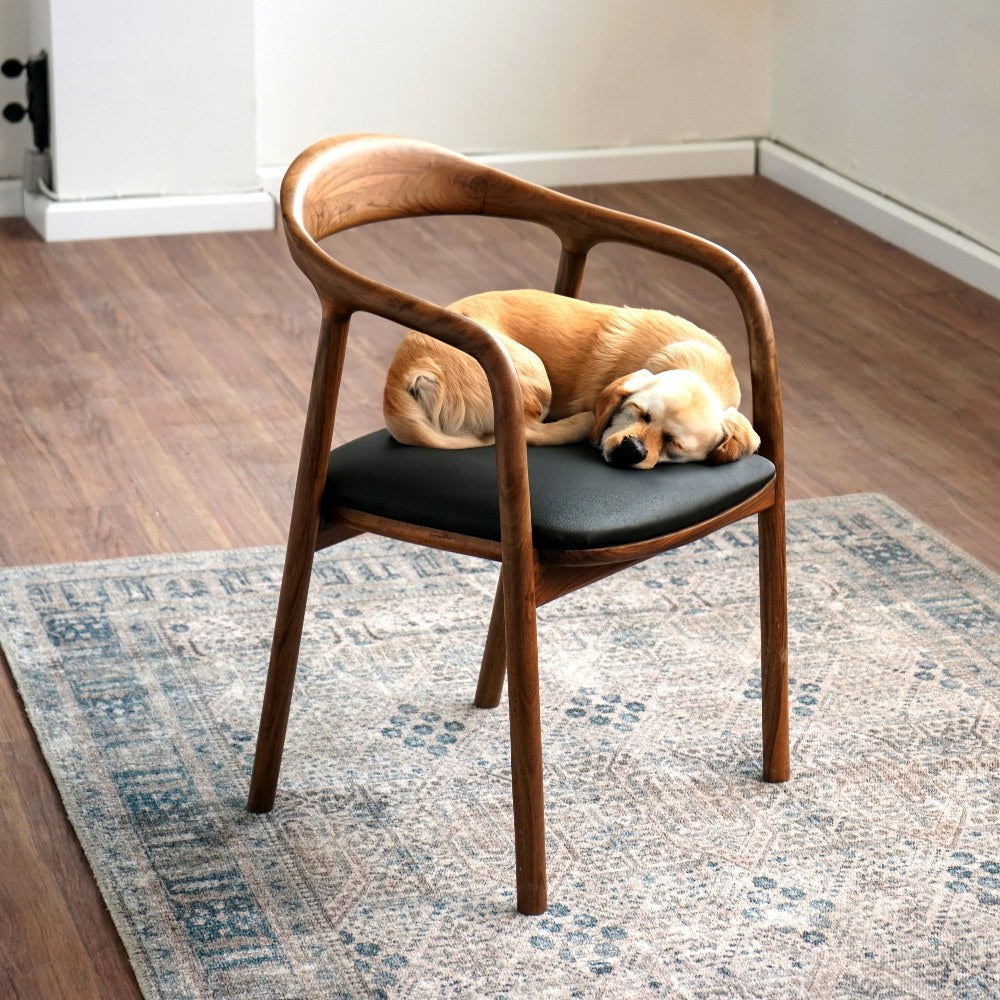
Experience Timeless Elegance with Our Walnut Dining Chair
This stunning dining chair features a kiln-dried walnut frame paired with a luxurious black leather cushion. It's a perfect example of solid wood craftsmanship, offering both premium comfort and timeless design built for years of daily use.
Shop Walnut Dining ChairWhat is Laminate Furniture?
Laminate furniture consists of a composite core, typically made from medium-density fiberboard (MDF) or particleboard, which is then covered with a thin layer of synthetic material. This outer layer often features printed designs that mimic wood grain, solid colors, or other decorative patterns, all sealed with a protective coating.
Laminate technology has advanced significantly in recent years, with high-quality options offering realistic wood-look finishes at a fraction of the cost of real wood.
Laminate is often confused with veneer, which is a thin sheet of real wood rather than a printed layer. If you are weighing that option too, see our guide to solid wood vs veneer furniture.
Pros of Laminate Furniture
- Budget-Friendly: Laminate is significantly more affordable than solid wood, making it accessible for those on a tight budget or furnishing temporary spaces.
- Resistant to Damage: The sealed surface is highly resistant to scratches, stains, heat, and general wear and tear.
- Easy Maintenance: Laminate requires minimal care—simply wipe clean with a damp cloth, no special treatments needed.
- Design Versatility: Available in countless colors, patterns, and finishes, including exotic wood looks that might be unaffordable in real wood.
- Dimensionally Stable: Unlike solid wood, laminate doesn't expand or contract with humidity changes, making it ideal for areas with fluctuating moisture levels.
- Lightweight: Easier to move and rearrange compared to solid wood furniture.
- Uniform Appearance: No natural variations means consistent color and pattern across all pieces.
Cons of Laminate Furniture
- Artificial Appearance: Despite improvements, laminate still lacks the authentic look and feel of real wood, often appearing manufactured.
- Shorter Lifespan: Laminate furniture typically doesn't last as long as solid wood and is more prone to deterioration over time.
- Cannot Be Refinished: Once damaged, laminate cannot be sanded or refinished. Chips and deep scratches are permanent.
- Vulnerable to Water Damage: If moisture penetrates the protective layer, the core material can swell and become irreparably damaged.
- Heat Sensitivity: Prolonged exposure to high temperatures can cause warping or discoloration.
- Environmental Concerns: The MDF or particleboard core is bonded with resin adhesives, and laminate isn't biodegradable or easily recyclable.
- Lower Resale Value: Laminate furniture depreciates quickly and has minimal resale value.
Side-by-Side Comparison: Solid Wood vs Laminate
| Feature | Solid Wood | Laminate |
|---|---|---|
| Cost | Higher upfront investment | Budget-friendly |
| Durability | Exceptional, can last decades | Good, but shorter lifespan |
| Appearance | Natural, authentic, unique | Uniform, can mimic wood |
| Maintenance | Requires regular care | Low maintenance |
| Repairability | Can be refinished multiple times | Cannot be refinished |
| Environmental Impact | Renewable when sustainably sourced | Resin-bonded core, hard to recycle |
| Weight | Heavy | Lightweight |
| Resale Value | Holds value better | Low, depreciates quickly |

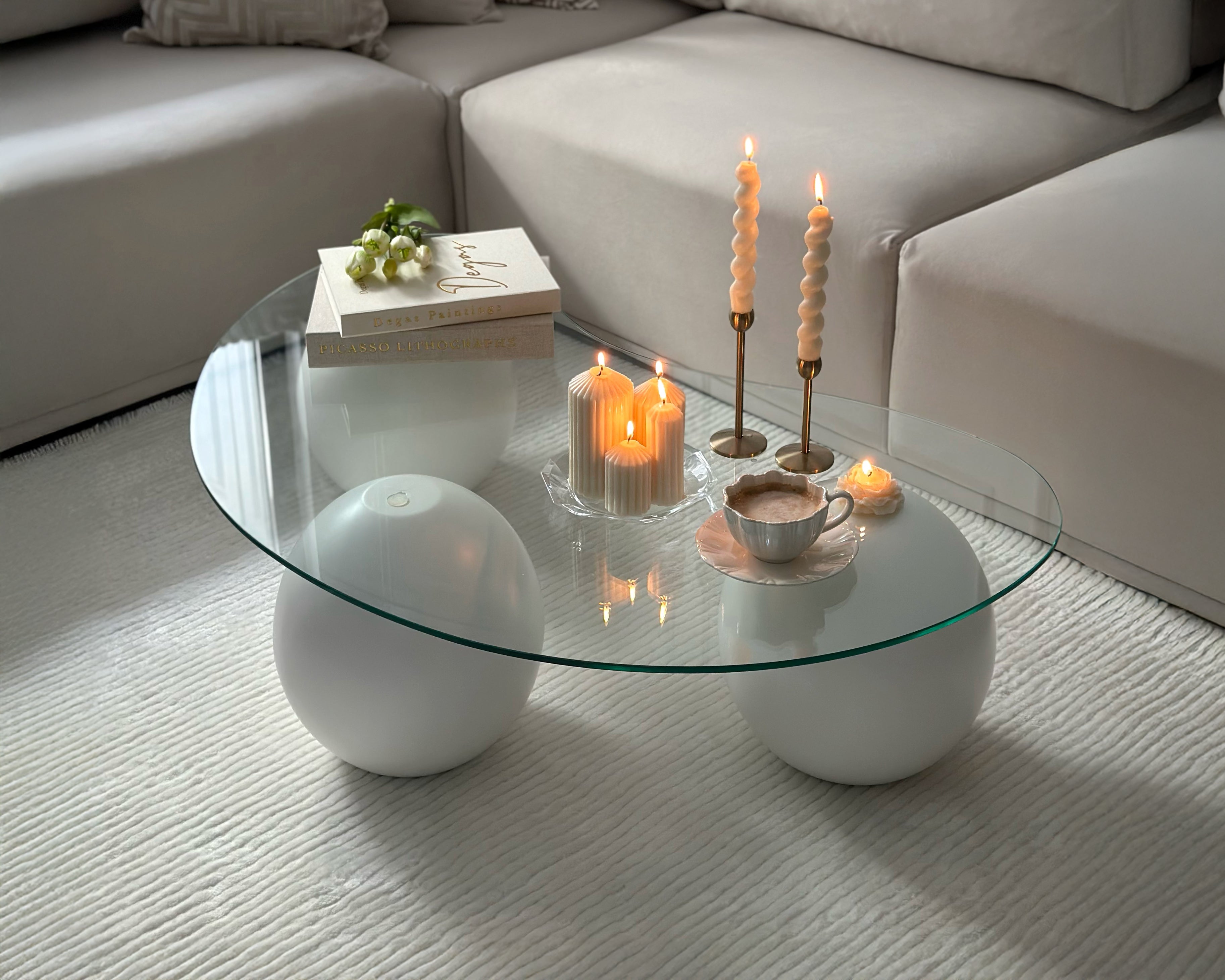
Make a Statement with This Unique Leaf-Shaped Coffee Table
Handcrafted from premium solid wood, this coffee table features organic curves and a modern leaf-inspired design. It's not just furniture—it's a conversation piece that brings natural beauty into your living room while showcasing superior craftsmanship.
Explore Coffee TableWhich Should You Choose?
The decision between solid wood and laminate furniture ultimately depends on your specific needs, preferences, and circumstances. Here's a guide to help you decide:
Choose Solid Wood If:
- You're looking for a long-term investment that will last for decades or even generations
- You value authentic, natural aesthetics and the unique character of real wood
- You're willing to invest more upfront for superior quality and durability
- You don't mind regular maintenance and care
- You want furniture that can be refinished and restored over time
- You're furnishing a permanent home rather than a temporary space
- Environmental sustainability and health are important to you
- You appreciate furniture that develops character and patina over time

Transform Your Bedroom with This Minimalist Walnut Nightstand
This floating nightstand crafted from solid walnut wood perfectly blends mid-century style with modern functionality. Its space-saving design and integrated drawer provide both beauty and practicality, making it an ideal bedside companion.
View NightstandChoose Laminate If:
- You're working with a limited budget
- You need furniture for temporary housing, college dorms, or rental properties
- You prefer low-maintenance options that don't require special care
- You frequently rearrange furniture and need lighter pieces
- You want maximum resistance to everyday wear and tear
- You're furnishing high-traffic areas where durability is key
- You like having design flexibility with various colors and patterns
- You live in an area with extreme humidity fluctuations
Pro Tip: Mix and Match
You don't have to choose one material exclusively! Many homeowners successfully combine solid wood and laminate furniture throughout their homes. For example, you might invest in solid wood pieces for main living areas and heirloom furniture (like dining tables and bedroom sets), while using laminate for children's rooms, home offices, or guest rooms. This approach allows you to balance quality, budget, and practicality.
Making the Right Investment
When considering the cost difference between solid wood and laminate, it's important to think long-term. While solid wood furniture requires a higher initial investment, its longevity and ability to be refinished mean it can actually be more cost-effective over time. A quality solid wood dining table costs more than a laminate version, but it can be sanded, refinished and kept in service long after a laminate top has chipped or swollen.
Additionally, well-crafted solid wood furniture tends to hold its value better on the secondhand market. Laminate furniture, on the other hand, depreciates quickly and has minimal resale value.

Create Your Perfect Workspace with This Handmade Walnut Desk
Crafted from premium solid walnut, this writing desk showcases rich brown tones and expert craftsmanship. Its compact design makes it perfect for home offices and small workspaces, while the solid wood construction is made for years of daily work.
Shop Walnut DeskEnvironmental Considerations
For environmentally conscious consumers, solid wood is generally the more sustainable choice—when sourced responsibly. Look for certifications like FSC (Forest Stewardship Council) or PEFC (Programme for the Endorsement of Forest Certification) to ensure your wood furniture comes from sustainably managed forests.
Solid wood is biodegradable and can be repaired, recycled or repurposed at the end of its life. Laminate furniture, in contrast, combines synthetic surface layers with resin-bonded cores that may release VOCs and are difficult to recycle.
Frequently Asked Questions (FAQs)
Is solid wood furniture worth the extra cost?
Yes, for long-term use. While solid wood furniture requires a higher upfront investment, it can be refinished multiple times and kept in use for decades, while a damaged laminate piece usually has to be replaced. It also tends to hold its value better. If you view furniture as a long-term investment and value quality, solid wood is absolutely worth the cost.
Can laminate furniture look as good as real wood?
Modern high-quality laminate can closely mimic the appearance of wood from a distance, but it still lacks the authentic texture, depth, and natural variation of real wood. Close inspection will reveal the difference. While laminate offers design versatility and consistent patterns, it cannot replicate the warmth and character that genuine wood grain provides.
How do I maintain solid wood furniture?
Solid wood requires regular but simple maintenance:
- Dust regularly with a soft, dry cloth
- Clean spills immediately to prevent staining
- Avoid silicone-based or harsh chemical cleaners, and refresh the finish only as your piece's care card recommends (oil and lacquer finishes need different products)
- Avoid placing furniture in direct sunlight or near heat sources
- Use coasters and placemats to protect surfaces
- Keep indoor humidity steady and avoid big swings to prevent warping
With proper care, solid wood furniture will develop a beautiful patina and last for generations. For a full routine, see our solid wood dining table care guide.
Which is better for families with children or pets?
Both have advantages. Laminate is more resistant to scratches and stains in the short term, making it practical for high-traffic areas with active children or pets. However, once damaged, it cannot be repaired. Solid wood may show wear more readily but can be sanded and refinished to look like new again. For heirloom pieces in main living areas, solid wood is better. For children's rooms or temporary needs, laminate may be more practical.
Can solid wood furniture be repaired if damaged?
Yes! This is one of solid wood's greatest advantages. Scratches, dents, water rings, and even deep damage can be repaired through sanding and refinishing. You can also change the finish color or stain to update the look. Professional furniture restoration can bring even severely damaged solid wood pieces back to like-new condition. Laminate, in contrast, cannot be repaired once the protective layer is damaged.
Is laminate furniture safe and eco-friendly?
Laminate furniture can be safe if it meets quality standards, though it's less eco-friendly than solid wood. The MDF or particleboard core contains adhesives that may release VOCs (volatile organic compounds). Look for low-VOC or formaldehyde-free certifications. Laminate is also not biodegradable and difficult to recycle. Solid wood from sustainably managed forests (look for FSC or PEFC certification) is the more environmentally responsible choice.
How long does each type of furniture typically last?
Solid wood furniture can last for decades with proper care and can become a family heirloom passed down through generations. Laminate usually has a much shorter working life, because chips, swelling and worn edges cannot be repaired. Over the years, that difference can make solid wood the better value despite the higher initial investment.
Can I mix solid wood and laminate furniture in the same room?
Absolutely! Many homeowners successfully combine both materials. A common strategy is to invest in solid wood for focal pieces (dining tables, bed frames, bookcases) while using laminate for secondary items (side tables, storage units). This approach balances quality, budget, and practicality. Just ensure the finishes and styles complement each other for a cohesive look.
Which type of furniture is better for humid climates?
Laminate is generally more stable in humid climates as it doesn't expand and contract with moisture changes like solid wood does. However, if laminate's protective seal is compromised, moisture can cause irreversible swelling and damage. Solid wood in humid areas requires proper sealing and maintenance but can be restored if moisture damage occurs. For very humid environments, well-sealed solid wood or high-quality laminate are both viable options.
What's the resale value difference between solid wood and laminate?
The difference is significant. Quality solid wood furniture tends to keep a meaningful part of its value on the secondhand market, and antique or designer pieces can even appreciate. Laminate furniture depreciates quickly and often has little resale value after a few years. If you plan to sell or move, solid wood usually offers a better return.
Your Perfect Furniture Match
Both solid wood and laminate furniture have their place in modern homes. Solid wood offers unparalleled beauty, durability, and long-term value, making it an excellent choice for those who can afford the investment and appreciate natural materials. Laminate provides a practical, budget-friendly alternative with easy maintenance and design versatility.
The key is understanding your priorities, lifestyle, and budget. If you're furnishing your forever home and want pieces that will become family heirlooms, solid wood is worth the investment. If you need affordable, durable furniture for the short to medium term, laminate can serve you well.
Remember, quality matters regardless of which material you choose. Well-made laminate furniture will outperform cheap solid wood, and vice versa. Take the time to research manufacturers, read reviews, and inspect furniture in person when possible.
At Upp Home Store, we specialize in premium solid wood furniture that's built to last. Our collection features handcrafted pieces in walnut, oak, chestnut and other woods, and each product page lists the materials for that piece. Explore our range of solid wood furniture and discover the difference that authentic craftsmanship makes. Curious about walnut in particular? Read is walnut good for furniture?
Ready to Invest in Quality?
If you've decided that solid wood furniture is right for you, we invite you to browse our carefully curated collection at Upp Home Store. Each piece is crafted with attention to detail and built to become a treasured part of your home for years to come.
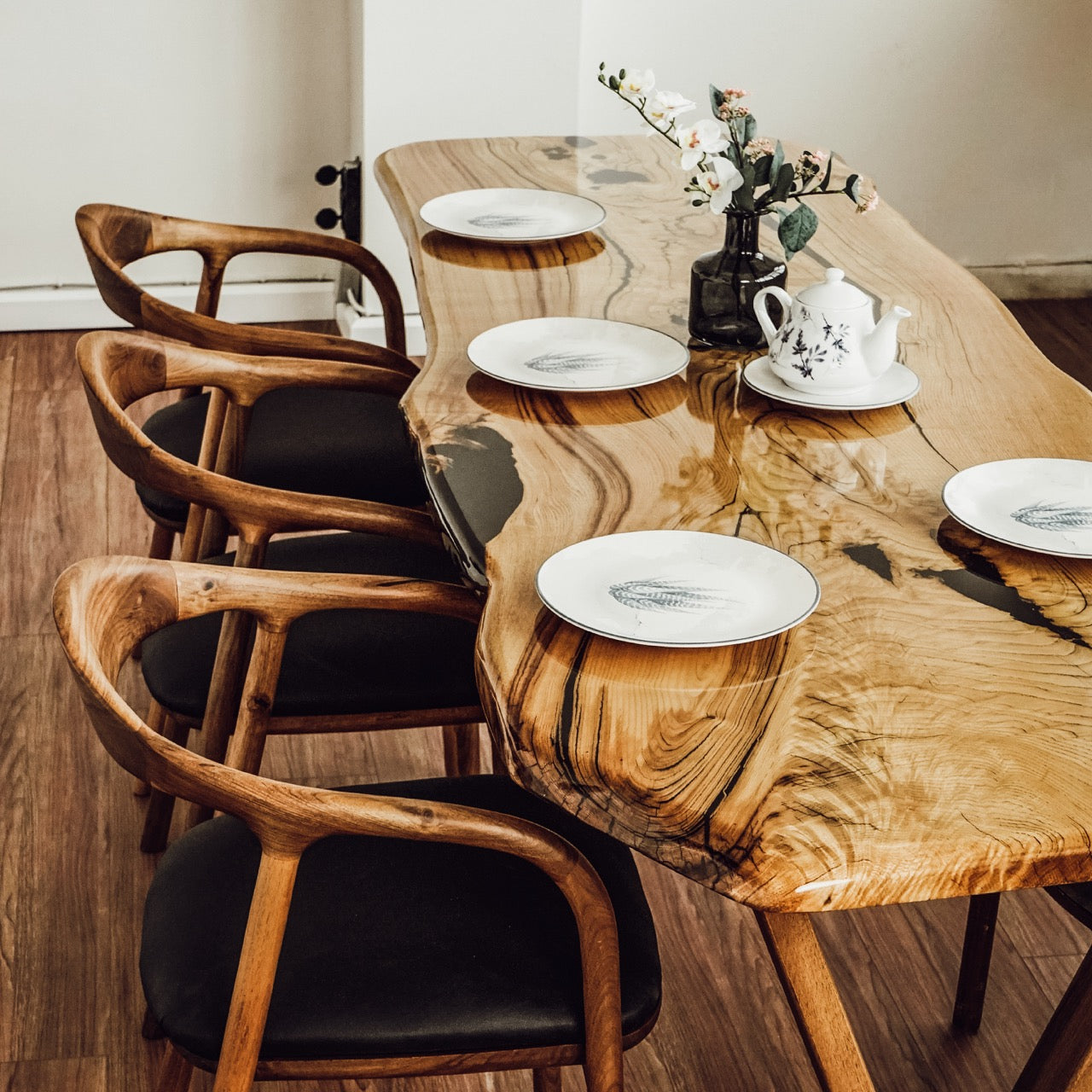
Furnishing a dining room? Start with our wooden dining tables and matching walnut dining chairs. Every listing shows sizes in inches and centimeters, so you can check the fit before you order, and natural tone varies a little from board to board. Our handmade dining tables need approximately 6–7 weeks of production before they ship, then 3–5 business days of shipping.
Sizes and materials are taken from our product pages. Photos show our own pieces. This article was prepared with AI assistance and reviewed by the UPP Home team before publishing.

