

How to Care for a Solid Wood Dining Table: Daily to Yearly

How do you care for a solid wood dining table? Wipe it with a soft, damp cloth and dry it straight away, put placemats, coasters and trivets under anything hot or wet, and never use silicone-based or harsh chemical cleaners. That covers most of it. The rest depends on your finish, oil or lacquer, and a short monthly and yearly check.
This guide is written for the table you eat at every day and stretch for the holidays, and for the chairs that go with it. Everything below works for the tables in our wooden dining table collection.
Start with your finish: oil or lacquer?
Care advice goes wrong most often when it ignores the finish. Two tables can both be solid walnut and still need different products, because the surface you touch is the finish, not the bare wood.
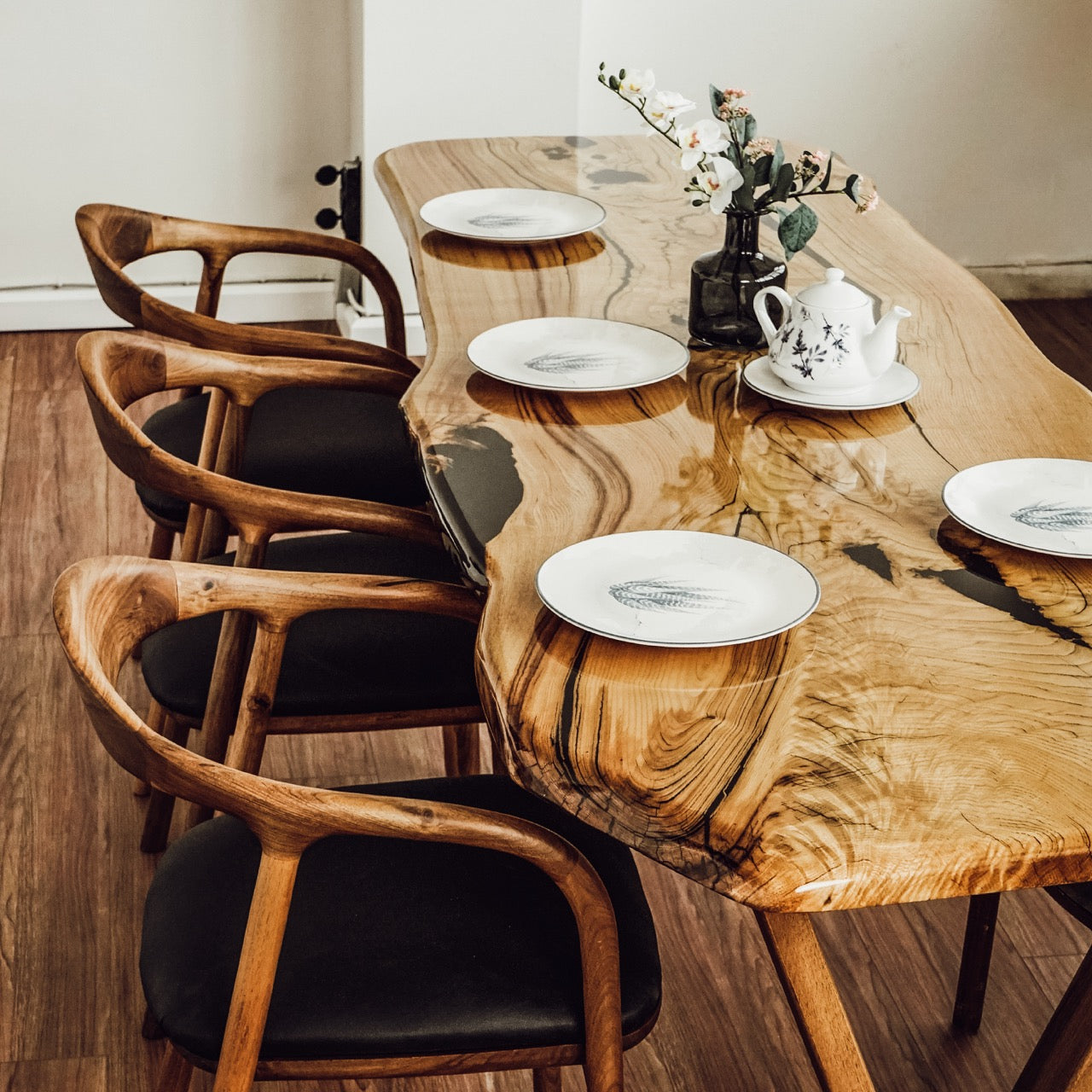
- Oil finish. The oil soaks into the wood rather than sitting on top, so the table looks and feels like wood. Our Midnight live edge walnut table, for example, is finished with VOC-free natural oil. Oiled surfaces show water marks sooner, but small scuffs can usually be blended in locally.
- Lacquer finish. Lacquer forms a clear layer on top of the wood. The Concord farmhouse epoxy table uses a high-gloss Italian lacquer. Spills sit on the surface longer, but a lacquered top should never be oiled or waxed, and a deep scratch through the layer is a repair job, not a DIY polish.
Not sure which one you have? Check the product page and the care card that came with your table. If neither names the finish, email support@upphomestore.com with your order number before you buy any oil, wax or polish.

Your daily-to-yearly care schedule
None of this takes long. The point is to catch moisture and heat before they reach the wood.
| When | What to do | Why |
|---|---|---|
| Every day | Wipe crumbs and spills with a soft cloth dampened with plain water, then dry with a second cloth. Follow the grain. | Standing moisture is what leaves rings and raises the grain. |
| Every meal | Placemats under plates, coasters under glasses, trivets under hot dishes. | Our product care notes recommend them to guard against heat, moisture and stains. |
| Weekly | Dust the top, legs and chair frames with a dry microfiber cloth. | Grit dragged under plates and elbows dulls the surface. |
| Monthly | Look across the top in raking light for dull patches or marks. Check that leg bolts and chair joints are snug. Move centerpieces so the same spot isn't always covered. | Small issues are easiest to fix early, and moving decor helps the top age evenly. |
| Yearly | Oil finish: refresh with the product your care card names, if the surface looks dry. Lacquer: a gentle clean is enough. Recheck where the table sits relative to windows and vents. | Oil wears thin over time; lacquer doesn't need feeding. Sun and dry heat change wood over the seasons. |
What to avoid
- Silicone-based or harsh chemical cleaners. Our product care notes say to avoid them. That includes many all-purpose sprays and shine polishes. Silicone can leave a film that makes later refinishing harder.
- Soaking the surface. A damp cloth is enough. Never leave a wet rag or a sweating pitcher sitting on the top.
- Hot pans and dishes straight on the wood. Use a trivet every time, even for "just a minute".
- Heat and direct sun. Keep the table away from radiators, heating vents and strong afternoon sun. Fast changes in heat and humidity are hard on any solid wood.
- Dragging things across the top. Lift serving boards and laptops instead of sliding them.
Getting ready for a full table
Holidays are when a dining table works hardest: more plates, more candles, more hot dishes, more people leaning in. A little preparation means the table looks the same in January as it did in November.
- Before guests arrive: wipe and dry the top, lay a runner and placemats, and set out trivets for every hot dish you plan to bring to the table.
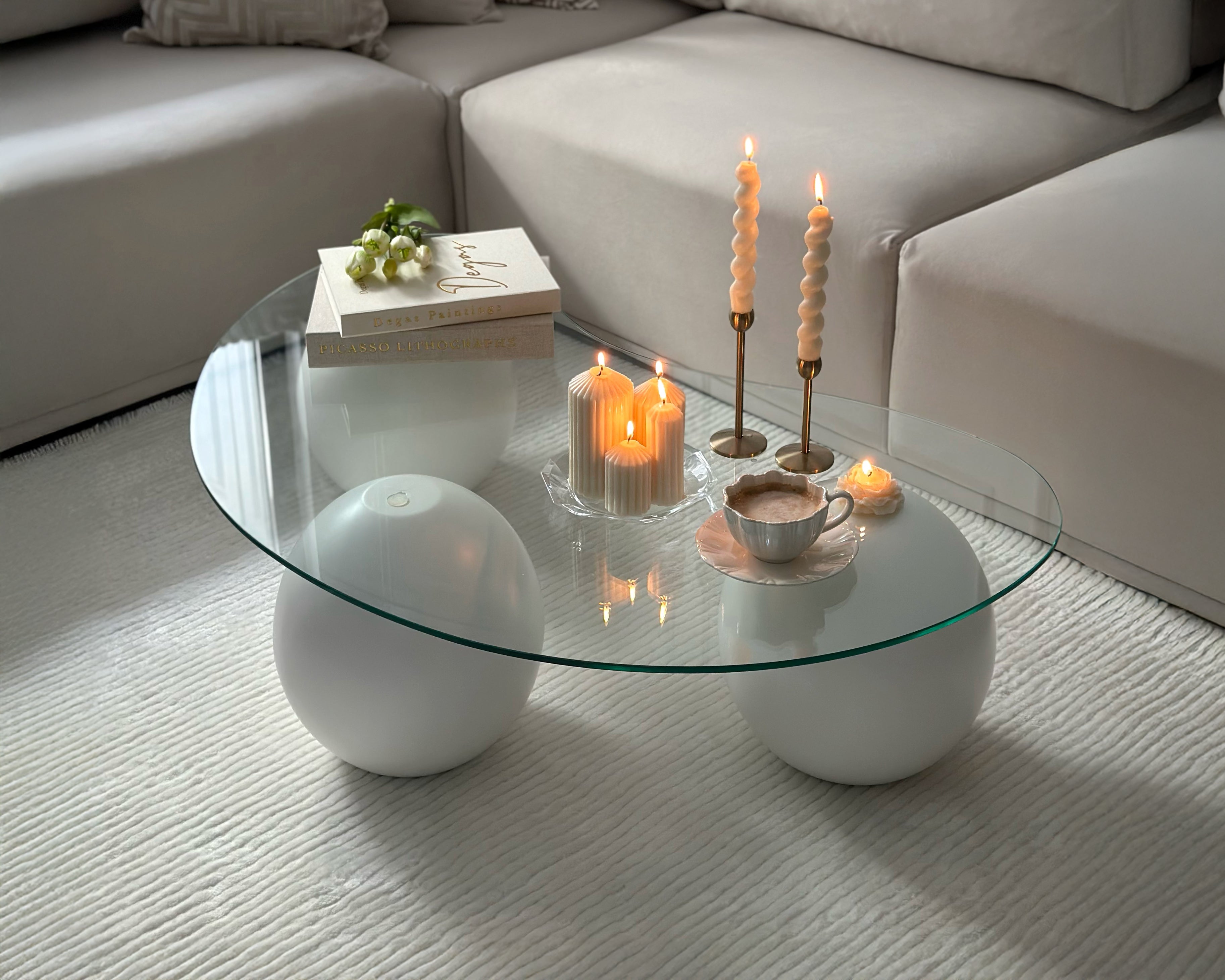
- Candles: put them on a tray or plate. If wax lands on the wood, let it harden, then lift it gently with a plastic card rather than scraping with a knife.
- During dinner: blot spills right away. Wine and gravy are easier to deal with in the first minute than the next morning.
- After everyone leaves: clear the table, wipe with plain water, dry, and leave the top uncovered overnight so any trapped moisture can escape.

Don't forget the chairs
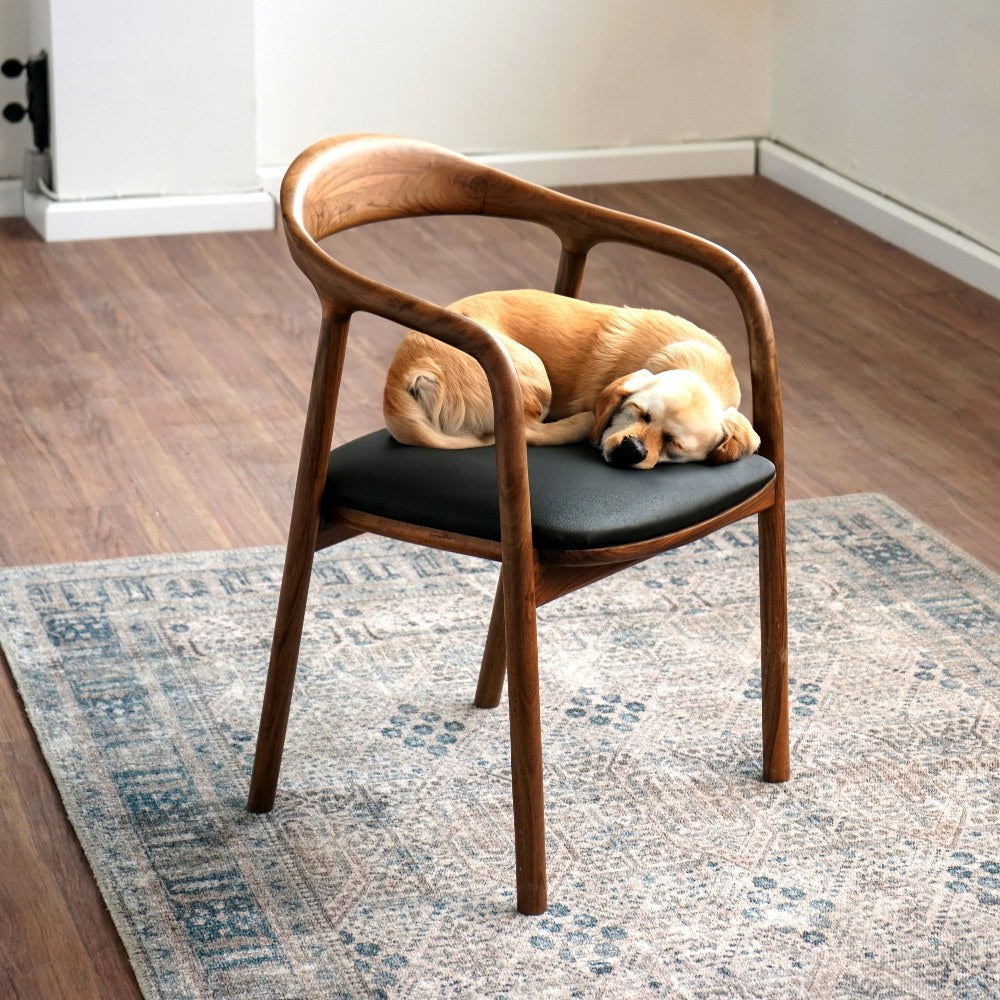
Chairs get more handling than the table: hands on the backrest, feet on the rails, the occasional pet on the seat. Wipe the wooden frames the same way as the tabletop, damp then dry, and check the joints during your monthly look. Our solid walnut dining chair is made from kiln-dried European walnut with a black leather cushion. For cushions and upholstery, follow the care card that came with the chair.
If you bought your table and chairs together, they will age together as long as they share the same light. Wood tone shifts slowly with sun exposure, so a chair that lives by the window can drift a shade away from the rest of the set. Rotating chair positions now and then keeps the set matching.

Marks, damage and when to contact us
Everyday wear is part of living with solid wood, and most light marks fade into the patina over time. Before trying a home remedy on a ring or a scratch, ask us first. What works on an oiled top can damage a lacquered one.
Delivery damage is different. If the box is visibly damaged when it arrives, don't accept it and ask for a Damage Assessment Report. If you find damage after unpacking, email support@upphomestore.com right away with photos.
Choosing a new table? Read is walnut good for furniture? for how walnut handles daily use, or our live edge dining table guide for sizing.
FAQ
What is the best finish for a walnut dining table?
It depends on how you live. Oil gives a natural, matte feel and is easier to touch up in one spot, but it needs occasional refreshing and shows water marks sooner. Lacquer resists spills better and needs less upkeep, but damage to the layer needs a proper repair. Our walnut tables come in both, and each product page that names the finish says which.
Can I use furniture polish or an all-purpose spray?
Skip them. Our product care notes say to avoid silicone-based or harsh chemical cleaners. A soft cloth with plain water, followed by a dry cloth, is all daily cleaning needs.
How often should I oil my table?
Only if it has an oil finish, and only when the surface starts to look dry or dull, using the product your care card names. Never oil a lacquered table.
Will my table change color over time?
Yes, slowly. Solid wood tone shifts with light exposure, which is why we suggest keeping the table out of strong direct sun and moving centerpieces around. Natural variation from board to board is also normal, since every top is cut from different wood.
Looking for a table to start with? Browse our wooden dining tables and the matching walnut dining chairs. Every listing shows sizes in inches and centimeters and the wood used. Our handmade dining tables need approximately 6–7 weeks of production before they ship, then 3–5 business days of shipping, so order early if you're planning around a holiday.
Sizes and materials are taken from our product pages. Photos show our own pieces. This article was prepared with AI assistance and reviewed by the UPP Home team before publishing.


Can I look at a few choices of walnut table top pieces before I purchase one?